
Okay, so check this out—I’ve used many explorers, but Solscan sticks out. Whoa! At first glance it’s fast and clean. But actually, wait—let me rephrase that: speed is only part of the story, and data fidelity matters more when you’re tracing tokens or debugging a program.
My instinct said I should use the on-chain RPCs, but I kept coming back to the UX here. Seriously? Solscan surfaces transactions, staking events, SPL token flows and program logs in ways that feel immediate. Initially I thought any explorer would do, though then I noticed subtle differences in how it decodes instruction data, which actually changed how I triaged a failed swap last month. Here’s the thing.
I like the quick filters and the bench of developer tools it provides. Hmm… When you dig into a transaction, Solscan’s event parsing often shows the inner instructions without making you click through five different lists. That saved me time—very very important when you’re watching a live AMM migration. I’m biased, but the token tracker is one of those small features that matters.
On one hand chain explorers are just windows; on the other, they’re forensic tools. Actually, wait—let me rephrase that: a good explorer helps you reason about state transitions over time, so you’re not chasing ghosts in block history. Wow! I remember debugging a wallet migration where program logs were buried, and Solscan popped them up cleanly, with decoded JSON right there. Somethin’ about that felt reassuring.
One more practical note
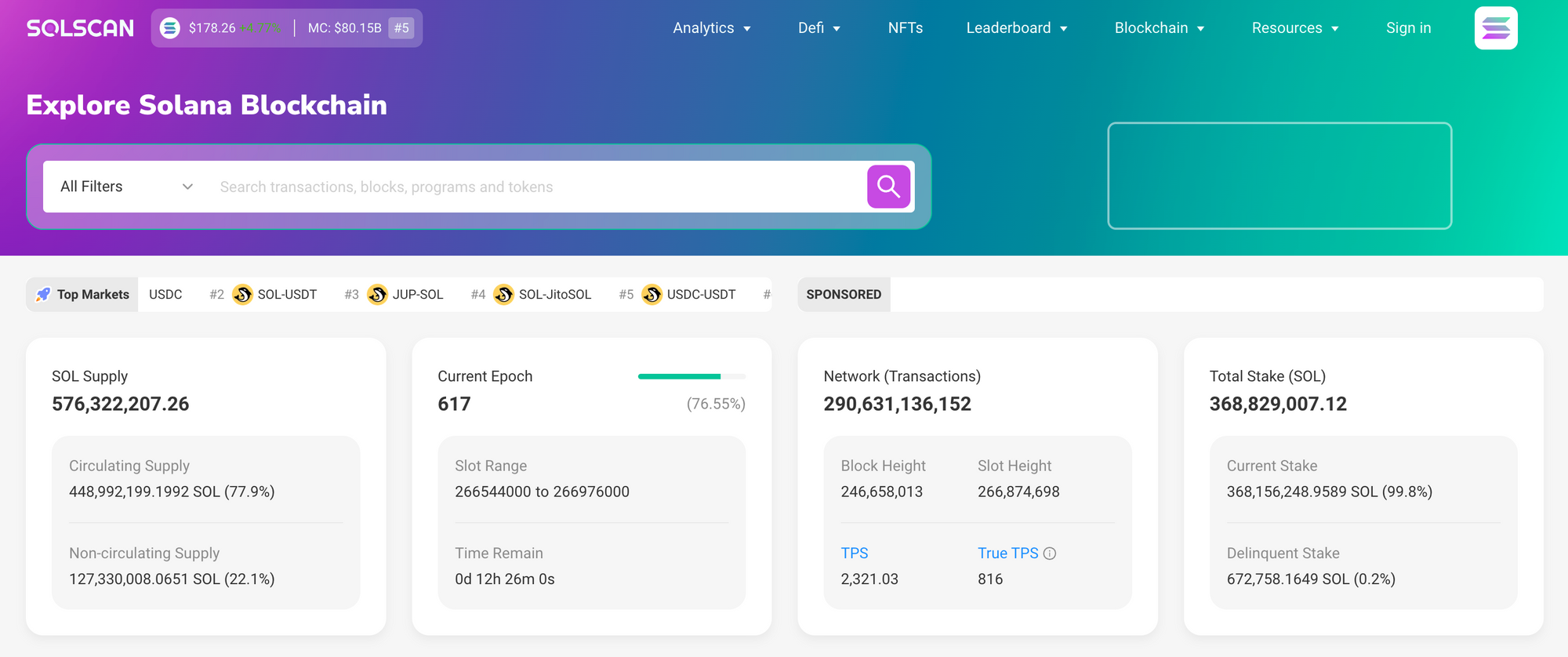
If you want a straight path to try it, the solscan explorer official site is a solid starting point. If you’re building on Solana, you care about block explorers like you care about debuggers. Initially I thought I could rely on any tool, but I learned that tooling differences cascade into slower dev cycles, and that can cost really expensive time. Seriously? Check this out—try tracing an SPL token mint across several txs; Solscan gives you the graph and the history without that janky back-and-forth. I’m not saying it’s the end-all, but for day-to-day ops it’s become my go-to dashboard.
Common questions
Really?
Is Solscan free to use?
Yes, basic features are free, though advanced analytics are sometimes gated or require on-site support for enterprise needs.
Can I trust its labels?
Labels are helpful, but treat them as signals not gospel; verify with on-chain data if the matter is security-sensitive.