Why Real-Time Price Alerts Are the Trader’s Edge in DeFi

Okay, so check this out—DeFi moves faster than most people realize. One minute a token looks sleepy; the next, liquidity vanishes and your stop-loss is eating dust. I learned that the hard way, trading a thinly traded AMM pair back when I was still overly confident. Oof. Not fun. But here’s the upside: the same on-chain transparency that can ruin a careless trade also gives you the signals to get ahead. If you treat price alerts like preventive medicine instead of a reactive bandage, you change from a gambler into a risk-managed participant.

Short version: timely, well-configured alerts reduce surprise. They don’t make you omniscient. They make you less dumb. Seriously. And—important—alerts that are too noisy are worse than none. My instinct says most traders over-alert themselves into paralysis. So this piece is about doing alerts right: where to source them, how to tune thresholds, how to integrate them into workflows with DeFi protocols, and what pitfalls to avoid (spoiler: gas and slippage). I’m biased toward practical setups that scale from a weekend hobbyist to a part-time pro; adjust accordingly.

Trader watching token price alerts on multiple screens

Why price alerts matter in DeFi (beyond the obvious)

Most folks think price alerts are just about catching pumps. That’s naive. Alerts are situational awareness: they tell you when something in your thesis changes. A sudden 12% dip on a token you hold could mean a liquidation cascade starting on a lending market, or it could be a whale taking profits. On one hand, an alert gives you time to check on liquidity, open orders, and protocol health. On the other hand, if you react to every beep you’ll get chopped up by noise. Balance matters.

Here’s what alerts actually help you do: (1) protect existing positions, (2) spot entry opportunities faster, (3) detect structural events—like TVL shifts in a protocol—or (4) highlight exchange/DEX anomalies that could be arbitrageable. I once got alerted to an unexpectedly large swap on a low-liquidity pool; turned into a small scalp after checking the on-chain trace. Little wins add up.

Where to get reliable signals — and how to vet them

Data quality is everything. If your alert platform ingests only CEX ticks, you’ll miss on-chain slippage and DEX-only action. Likewise, if it only watches mempool-level activity, you’ll drown in noise. The sweet spot is a hybrid feed: token price feeds across DEXes, liquidity metrics, recent large trades, and protocol-specific events (borrows, liquidations, governance votes). That’s why I use tools that aggregate across AMMs and provide quick context on each alert. One handy resource I recommend is dexscreener apps, which pull together DEX price and liquidity dynamics in a way that’s easy to digest.

Validation steps I use before trusting an alert: check the pool’s depth; view slippage for a notional trade size; inspect the transaction trace for sandwich-looking activity; confirm the token’s contract (no impersonators); and look at nearby blocks for correlated events. If two independent indicators line up—say, sudden price movement plus a TVL drop on the same protocol—I set a higher priority on the alert.

Types of alerts worth your attention

Not all alerts are equal. Organize them into tiers.

TIER 1 — Critical: large sudden drops or pumps (e.g., 10%+ in 5 minutes), massive liquidity withdrawals, and liquidation cascades. These demand immediate attention. TIER 2 — Tactical: sustained moves over hours, unusual volume on low-liquidity pools, or smart contract upgrades announced. TIER 3 — Informational: governance proposals, small price deviations across major DEXes that might hint at upcoming arbitrage, or new listings. Tailor notifications: push for Tier 1, email or dashboard for Tier 3.

Automated actions are tempting. I get it—automation is sexy. But auto-executing a trade from a Tier 1 alert without human validation is risky, especially in thin markets. Instead, automate safe hedges (e.g., rebalance stablecoin exposure), but keep major entry/exit decisions human-reviewed unless your strategy is fully backtested and well-covered for edge cases.

Practical alert design: thresholds, cooldowns, and context

Designing alerts is half art, half math. If you set a 1% move alert on every token, you’ll be alerted dozens of times per day and ignore 90% of them. If you set a 10% move alert, you’ll miss useful wobbles. My approach:

  • Relative moves over absolute: use % over configurable windows (5m/15m/1h/24h). A 5% drop in 5 minutes on a microcap is more telling than 5% in 24 hours on a large-cap.
  • Combine metrics: price change + liquidity change + large single-swap threshold. If two of three trigger, escalate priority.
  • Cooldown windows: an alert that fires then re-fires in 30s is noise. Add a cooldown per-token per-alert type.
  • Context payload: include pool address, quoted slippage for a standard trade size, and a link to the on-chain tx or analytics page. Context makes decision-making faster.

Also: track false positives. Keep a simple log of alerts you acted on versus those you ignored. Quarterly audits of that log will show whether your thresholds are too tight or too loose.

Integrating alerts with DeFi protocols and tooling

Think beyond your phone. Alerts can feed bots, dashboards, and strategy managers. For example, you can wire alerts into a liquidity management bot that pulls liquidity if impermanent loss risk spikes, or into a rebalancer that shifts exposures between stablecoins when lending rates diverge. But again—test in sandbox networks first. I once deployed a bot that was supposed to reduce exposure during spikes, but a misconfigured gas threshold made it non-functional when I needed it most. Rookie mistake. Learn from me: simulate.

APIs and webhooks are your friends. Reliable alert systems provide easy-to-use webhooks so you can plug events into Lambda functions, self-hosted bots, or workflow tools like n8n/IFTTT equivalents for crypto. Keep keys scoped and rotate them—if a webhook endpoint gets compromised, you don’t want it executing trades with full authority.

Common pitfalls and how to avoid them

One issue that bugs me: people conflate market noise with structural change. A sudden 8% drop doesn’t automatically mean protocol insolvency. Validate. Check oracles, check TVL, check if large liquidity providers are pulling funds out. Another mistake: relying on a single data source (single DEX or single index). Use redundancy. Price aggregators can lag during extreme events; direct mempool watches can give earlier, noisier signals.

Gas and slippage are tactical constraints. When alerts force urgent action, make sure you have pre-approved gas budget and acceptable slippage settings. If you find yourself repeatedly missing trades because gas spiked, consider pre-signed transactions or a relayer solution—careful, those add attack surface. If this sounds overwhelming, start with alerts that inform rather than trigger automatic trades.

Operational checklist for setting up alerts

Here’s a practical checklist to follow:

  • Choose a provider that aggregates DEX prices and on-chain events (see my note above about dexscreener apps).
  • Define your alert tiers and thresholds; document them.
  • Set up validation steps you’ll do before acting (pool depth, trace, contract verification).
  • Configure delivery channels (push, email, webhook) per tier.
  • Backtest or simulate automated responses in testnets.
  • Log and review alerts weekly; iterate thresholds.

FAQ

Q: How many alerts per token is too many?

A: If you’re getting pinged more than once an hour on a token and you’re not monitoring it full-time, you’ve got alert fatigue. Prioritize: push for critical ones only, feed the rest into a daily digest or dashboard.

Q: Can alerts be trusted during high volatility?

A: Alerts are even more useful then, but they can be less reliable individually. Treat them as signposts: cross-check quickly across not more than two other data points (liquidity and a tx trace) before acting. Speed matters but validation prevents costly mistakes.

Q: Should alerts trigger automatic trades?

A: Only for well-tested, narrow rules (e.g., pull 20% liquidity if slippage exceeds X). For directional entries/exits, I prefer human confirmation unless you have robust risk controls and simulation history.

Alright—so where does this leave you? If you’re serious about trading or managing assets in DeFi, treat alerts like part of your risk infrastructure. They’re not a magic signal; think of them as an early warning system that, if tuned, gives you time to check assumptions and act deliberately. I’m not 100% sure there’s a one-size-fits-all setup (there isn’t), but build iteratively: start with a couple of high-quality alerts, tune them from real experience, then expand.

One last thing: keep humility. The market will humble you twice before breakfast. But with the right alerts, you at least get to see the wave coming. And sometimes that’s all you need to surf instead of wipe out.

1000 Gewinnchancen entdecken – Dein lemon casino Zugang für exklusive Unterhaltung

Feiern Sie grenzenlose Unterhaltung und lukrative Gewinnchancen – lemon casino revolutioniert Ihre Vorstellung von Online-Spielen und sorgt für unvergessliche Momente.

Die Welt der Online-Glücksspiele ist ständig im Wandel, und ein Name, der in letzter Zeit für Furore sorgt, ist casino lemon. Dieses innovative Online-Casino verspricht ein einzigartiges Spielerlebnis, das sowohl für erfahrene Glücksspieler als auch für Neulinge attraktiv ist. Die Kombination aus attraktiven Boni, einer breiten Auswahl an Spielen und einer benutzerfreundlichen Plattform macht casino lemon zu einer aufregenden Option für alle, die das Nervenkitzel des Casino-Spiels genießen möchten. Die intelligente Gestaltung und die innovative Technologie, die hinter dieser Plattform stecken, versprechen unvergessliche Momente und die Chance auf lukrative Gewinne.

Die Faszination von Online-Casinos: Ein tieferer Einblick

Online-Casinos haben die Art und Weise, wie Menschen spielen, revolutioniert. Im Gegensatz zu traditionellen Casinos bieten sie den Komfort, von überall und zu jeder Zeit spielen zu können. Diese Zugänglichkeit, kombiniert mit einer breiten Palette an Spielen und attraktiven Boni, hat zu ihrer enormen Popularität beigetragen. Spieler schätzen die Möglichkeit, in einer entspannten Umgebung zu spielen und gleichzeitig die Spannung des Casino-Erlebnisses zu genießen. Die kontinuierliche Entwicklung von Software und Technologie gewährleistet zudem eine hohe Qualität und Sicherheit.

Ein weiterer Vorteil von Online-Casinos ist die größere Auswahl an Spielen. Sie bieten nicht nur klassische Casinospiele wie Roulette, Blackjack und Poker, sondern auch eine Vielzahl von Spielautomaten mit unterschiedlichen Themen und Funktionen.

Spielkategorie Beliebte Spiele Durchschnittlicher RTP (%)
Spielautomaten Starburst, Gonzo’s Quest, Book of Dead 96.10%
Tischspiele Roulette, Blackjack, Baccarat 97.30%
Live Casino Live Roulette, Live Blackjack, Live Baccarat 96.50%

Das Besondere an casino lemon: Was unterscheidet es?

casino lemon hebt sich von anderen Online-Casinos durch eine Reihe von einzigartigen Merkmalen ab. Dazu gehören eine innovative Benutzeroberfläche, die eine einfache Navigation ermöglicht, ein großzügiges Bonusprogramm und eine breite Palette an exklusiven Spielen. Die Plattform legt großen Wert auf Sicherheit und Fairness, was durch strenge Lizenzierung und unabhängige Prüfungen gewährleistet wird. Die Kundenbetreuung ist rund um die Uhr erreichbar und bietet schnelle und effiziente Hilfe bei Fragen oder Problemen.

Darüber hinaus zeichnet sich casino lemon durch regelmäßige Aktionen und Turniere aus, die den Spielern zusätzliche Chancen bieten, attraktive Preise zu gewinnen. Die Plattform ist zudem mobiloptimiert, sodass Spieler auch unterwegs ihre Lieblingsspiele genießen können.

Die Auswahl an Spielen bei casino lemon

Die Spieleauswahl bei casino lemon ist beeindruckend und umfasst eine Vielzahl von Kategorien, um den unterschiedlichen Geschmäckern der Spieler gerecht zu werden. Von klassischen Spielautomaten über moderne Video-Slots bis hin zu Tischspielen und Live-Casino-Optionen gibt es für jeden etwas. Die Spiele werden von führenden Softwareanbietern wie NetEnt, Microgaming und Evolution Gaming bereitgestellt, was eine hohe Qualität und ein faires Spielerlebnis garantiert. Die regelmäßige Erweiterung des Spielportfolios sorgt zudem dafür, dass stets neue und spannende Spiele verfügbar sind.

Besonders hervorzuheben ist das Live-Casino, in dem Spieler in Echtzeit gegen echte Dealer antreten können. Dies sorgt für ein authentisches Casino-Erlebnis, das dem Besuch eines traditionellen Casinos sehr nahe kommt. Die Möglichkeit, mit anderen Spielern zu interagieren, erhöht den Spaßfaktor zusätzlich.

Die Spielautomaten bei casino lemon überzeugen mit kreativen Designs, spannenden Bonusfunktionen und progressiven Jackpots, die zu hohen Gewinnen führen können.

Bonusse und Promotionen bei casino lemon

casino lemon bietet eine Vielzahl von Boni und Promotionen, um neue Spieler anzulocken und bestehende Kunden zu belohnen. Dazu gehören ein Willkommensbonus für Neuanmeldungen, regelmäßige Einzahlungsboni, Freispiele und Cashback-Aktionen. Die Bonusbedingungen sind dabei fair und transparent, sodass Spieler genau wissen, welche Voraussetzungen erfüllt werden müssen, um Gewinne auszuzahlen. Die Plattform bietet auch ein VIP-Programm, das exklusive Vorteile für treue Spieler bereithält, wie zum Beispiel persönliche Kontomanager, höhere Bonusangebote und schnellere Auszahlungen.

Die regelmäßigen Turniere und Verlosungen bieten zusätzliche Chancen, attraktive Preise zu gewinnen. casino lemon legt großen Wert darauf, seinen Spielern ein lohnendes und unterhaltsames Spielerlebnis zu bieten.

Die Bonusbedingungen variieren je nach Aktion, aber in der Regel müssen Spieler den Bonusbetrag und die damit verbundenen Gewinne mehrmals umsetzen, bevor sie ausgezahlt werden können.

Sicherheit und Fairness im Fokus

Sicherheit und Fairness haben bei casino lemon höchste Priorität. Die Plattform ist mit modernsten Sicherheitstechnologien ausgestattet, um die persönlichen und finanziellen Daten der Spieler zu schützen. Alle Transaktionen werden verschlüsselt übertragen, und die Einhaltung strenger Datenschutzrichtlinien wird gewährleistet. casino lemon verfügt über eine gültige Glücksspiellizenz, die von einer renommierten Aufsichtsbehörde ausgestellt wurde. Dies garantiert, dass die Plattform legal und reguliert ist und den höchsten Standards entspricht. Unabhängige Prüfunternehmen überprüfen regelmäßig die Spiele auf Fairness und Zufälligkeit.

Zusätzlich bietet casino lemon verschiedene Tools und Ressourcen, um verantwortungsbewusstes Spielen zu fördern. Spieler können Limits für ihre Einzahlungen, Verluste und Spielzeit festlegen, um ihr Spielverhalten zu kontrollieren. Die Plattform bietet auch Informationen und Unterstützung für Spieler, die möglicherweise Probleme mit Glücksspiel haben.

  • Sichere Zahlungsmethoden
  • Verschlüsselte Datenübertragung
  • Gültige Glücksspiellizenz
  • Regelmäßige Sicherheitsaudits
  • Verantwortungsbewusstes Spielen

Zahlungsmethoden und Kundensupport bei casino lemon

casino lemon bietet eine breite Palette an sicheren und bequemen Zahlungsmethoden, darunter Kreditkarten, E-Wallets und Banküberweisungen. Die Ein- und Auszahlungen sind schnell und zuverlässig, und es fallen keine versteckten Gebühren an. Der Kundensupport ist rund um die Uhr per Live-Chat, E-Mail und Telefon erreichbar. Die Mitarbeiter sind freundlich, kompetent und hilfsbereit und stehen den Spielern bei Fragen oder Problemen zur Seite.

Die Plattform bietet zudem eine umfangreiche FAQ-Sektion, in der die häufigsten Fragen beantwortet werden. casino lemon legt großen Wert auf Kundenzufriedenheit und bemüht sich, seinen Spielern ein erstklassiges Serviceerlebnis zu bieten.

  1. Kreditkarte (Visa, Mastercard)
  2. E-Wallets (Skrill, Neteller, PayPal)
  3. Banküberweisung
  4. Kryptowährungen (Bitcoin, Ethereum)

Die Zukunft von Online-Casinos und die Rolle von casino lemon

Die Zukunft von Online-Casinos sieht vielversprechend aus. Die Branche wächst stetig weiter, und neue Technologien wie Virtual Reality (VR) und Augmented Reality (AR) versprechen noch immersivere Spielerlebnisse. Die zunehmende Regulierung trägt zudem zur Stärkung des Vertrauens in die Online-Glücksspielbranche bei. casino lemon ist gut positioniert, um von diesen Entwicklungen zu profitieren und seine Position als führendes Online-Casino weiter auszubauen. Die Plattform setzt auf Innovation, Sicherheit und Kundenzufriedenheit, um auch in Zukunft ein attraktives Spielerlebnis zu bieten.

Die Integration von künstlicher Intelligenz (KI) und maschinellem Lernen wird es Online-Casinos ermöglichen, ihren Spielern personalisierte Angebote und Empfehlungen anzubieten, was die Spielerbindung weiter erhöhen wird. Durch die kontinuierliche Weiterentwicklung von Technologien und Strategien wird casino lemon auch in Zukunft seinen Spielern ein erstklassiges Entertainment bieten.

Why a Wallet That Simulates, Tracks, and Spans Chains Actually Changes How You Use DeFi

Whoa!

I remember opening my first dApp and feeling like I was peeking into the future. At the time I trusted the UI, but not the transactions under the hood. Over the last few years, that gut feeling pushed me to dig into transaction simulations, permission controls, and how wallets stitch together multiple chains and token standards while keeping private keys secure. Here’s the thing.

Seriously?

DeFi is messy without a wallet that models the consequences of your actions before you commit. You can approve a token and later discover a rogue contract drained funds because you didn’t inspect allowances. A good wallet surfaces simulations so you can preview swaps, minting, staking, and complex cross-chain flows. That saves time and money.

Hmm…

If you use multiple chains, tracking becomes its own headache—native tokens, bridged assets, LP shares, stakes, and reward vesting schedules all live in different places. You need a single mental model. Many wallets claim to aggregate balances, but not all reconcile cross-chain tokens and historical performance accurately. Some apps show balances that are out of date.

Okay, so check this out—

I’ve been using a wallet that simulates transactions locally and flags risky approvals before I sign. Initially I thought simulation was overkill, but after a costly mis-signed permit I changed my mind. Actually, wait—let me rephrase that: my instinct said simulation would help, and the data proved it by reducing bad txs. It reduced surprises.

Here’s what bugs me about most wallets.

They act like a key manager first and a user safety tool second. They focus on connectivity (WalletConnect, browser extensions) and UX polish, but not on the permission model that ultimately determines whether a contract can drain you. On one hand you want seamless dApp integration; on the other hand you need granular controls and clear undo paths. I’ll be honest: that tension isn’t solved yet.

Something felt off about approvals for a while…

My instinct said ‘restrict approvals’ and I started using wallets that offer per-contract, per-token allowances with easy revoke buttons. Now I keep tabs on infinite approvals and revoke the ones I don’t need. If a wallet simulates a transaction it can warn before you grant broad allowances, and show what state changes will look like after the call. That helps a lot.

Seriously?

Multi-chain support is more than adding RPC endpoints; it’s about understanding token provenance and avoiding double-counting bridged assets. A portfolio tracker has to normalize tokens, tag bridged vs native assets, and present net exposure across ecosystems. Some trackers do this well, others just sum up numbers and call that visibility. That leads to bad decisions.

Whoa!

For me the sweet spot is a wallet that combines dApp integration, transaction simulation, and robust portfolio aggregation into one thoughtful UX. A particular wallet gave me that mix—it’s not perfect, but it made me feel safer interacting with complex DeFi flows. Oh, and by the way… hardware wallet support and permission history are non-negotiable. I’m biased, but this approach scales better for active DeFi users.

A schematic of wallet architecture showing dApp integration, multi-chain RPCs, and transaction simulation

How I think about trust, safety, and convenience

When a wallet simulates transactions locally it translates a blind click into a preview you can reason about, which changes behavior. It surfaces gas estimates, token changes, and reverts in ways that let you opt-out before signing. If you also get reliable portfolio aggregation across chains, you stop making decisions based on incomplete data. I started using rabby wallet because it blends these concerns into one workflow, and because it makes it easy to revoke allowances and inspect permission history—two features that saved me time and lost funds. It isn’t flawless—there are UI rough edges and times when RPCs lag—but the safety-first mentality improves outcomes for heavy DeFi users.

Okay, a few practical notes.

Use simulation for complex calls, especially batch transactions and permits. Pin reliable RPCs for chains you use the most; flaky nodes give stale balances and can make simulations inaccurate. Keep a hardware wallet for large holdings and connect it through a wallet that supports secure signing flows. Track bridged tokens separately so you don’t double-count; tag rewards and vesting so your P&L isn’t lieing to you. And yes—revoke infinite approvals once you’re done interacting with a dApp.

FAQ

How does transaction simulation protect me?

Really? It protects you by turning an opaque on-chain call into a readable preview. A simulation shows gas, the exact token transfers, approvals consumed, and whether a call will revert before you sign. That means fewer surprises and a clearer permission model, which is huge when interacting with unfamiliar contracts.

Why Solana’s Yield Farming and Liquid Staking Feel Different — and How a Browser Wallet Changes the Game

Whoa! The first thing that hit me when I dove back into Solana this year was speed. Really fast block times. Really low fees. It felt like stepping into an arcade after a decade of dial-up. My instinct said: this is where experimentation will happen. Initially I thought that speed alone would solve the UX problems, but then I realized wallet ergonomics and tooling matter just as much—maybe more. On one hand you have technical throughput; on the other, real people trying to stake, farm yields and manage NFTs without losing their minds. Hmm… somethin’ about that contrast bugs me.

Okay, so check this out—yield farming on Solana is no longer just a niche hobby. It’s matured. Projects have improved risk management, and liquid staking solutions are finally offering usable derivatives that allow you to keep capital working while staking. I know that sounds optimistic. Seriously? Yes, but there are caveats. You must weigh validator concentration, smart contract risk, and custodial assumptions. And if you’re using a browser extension wallet, a lot of friction vanishes—but new risks show up too.

Here’s the practical truth: yield farming opportunities exist across automated market makers, lending markets, and concentrated liquidity pools. But yields that look attractive on paper often rely on token emissions or ephemeral incentives. At the same time, liquid staking brings a different promise—staking rewards without the illiquidity. That promised liquidity can be used in yield strategies. On paper it’s elegant; in practice it composes like Lego blocks that sometimes snap, and sometimes fall apart if one brick is weak.

Dashboard showing staked SOL, liquid staking token balances, and yield farming pools on a browser wallet

Why a Browser Wallet Matters — and How to Pick One

Small thing, big difference. A browser wallet changes two things immediately: accessibility and composability. It reduces the steps between wanting to move funds and actually deploying them into a pool. For Solana users who want staking and NFT support in the same place, that matters. I’m biased toward wallets that combine clear staking flows with easy access to DApps. If you want to try a browser-based flow, check the solflare extension—it integrates staking, token management and NFT viewing in one extension, which helps with day-to-day stuff.

Short answer: pick a wallet that makes validator selection transparent and shows rewards history. Medium answer: make sure it supports transaction simulation and fee previews. Long answer: look for extensions that keep the private key locally encrypted, provide clear confirmation prompts for message signing, and allow you to opt into or out of automatic transaction retries—because these UX details matter when you’re interacting with yield strategies that may require multiple signed transactions in quick succession.

My approach to choosing a wallet has been practical. I run a lean mental checklist: does it support staking and unstaking flows? Can I see which validators I’m delegating to? Is NFT metadata displayed? Does it play well with major DApps? If a wallet obscures validator identity, that’s a red flag. If it shows slashing history and commission rates, that’s a win. Oh, and by the way… be skeptical of wallets that promise “one-click access” to everything without clarifying what is being signed.

Yield farming and liquid staking together create interesting strategies. Imagine staking SOL to earn rewards, receiving a liquid derivative like stSOL (or similar), then using that derivative as collateral in a lending market or providing it in a liquidity pool. That compounding loop can increase effective yield while maintaining some liquidity. But elasticity here is fragile. If the liquid derivative loses peg or suffers governance changes, your composition stops behaving as expected. I’ve seen clever strategies evaporate when incentives were cut—very very important to keep that in mind.

Initially I thought the composability would reliably increase returns without much extra risk, but then reality stepped in. On one hand, liquid staking tokens let you keep capital working; on the other, they add an extra layer of smart-contract risk and require trust in validators or the protocol issuing the derivative. Actually, wait—let me rephrase that: liquid staking reduces lock-up risk but replaces it with contract and peg risk. You trade one set of problems for another.

Let’s talk risk vectors. There are at least three that matter most. First, validator risk: poorly run validators can affect slashing and availability. Second, protocol risk: yield farms and liquid staking protocols are smart contracts that can have bugs or economic exploits. Third, peg and liquidity risk: if your liquid staking token can’t be redeemed quickly, or loses market confidence, your effective liquidity is impaired. These are not theoretical; they happen. My gut said “too good to be true” more than once, and that gut was usually right.

For practical defense, diversify. Don’t stake everything to one validator. Don’t put all liquid derivative exposure into a single pool. Use smaller, repeated positions rather than one large bet. Also, run periodic checks: are the validator nodes you use updated? Is the staking derivative backed by reputable audits and clear redemption mechanics? If a protocol’s documentation reads like a marketing brochure, that’s another red flag.

How to Compose a Conservative Farming + Liquid Staking Strategy

Start small. Seriously. Park a modest portion of your portfolio into a liquid staking derivative to see the flows. Use a browser extension to manage the transactions—it’s faster, and you avoid copy-paste address mistakes. Monitor the staking rewards and compare them to the pool yields. If the combined yield looks sustainable beyond token emissions, consider scaling slowly.

Step-by-step, here’s a conservative playbook:

  • Stake a small tranche of SOL across 2–3 reputable validators (reduces concentration risk).
  • Receive a liquid staking token from a well-known provider with transparent mechanics.
  • Use that token as collateral in a low-volatility lending market or provide it in a stablepair pool with good TVL.
  • Set automated alerts for deviation from expected yields or peg wander.
  • Withdraw or unwind if the derivative’s market depth drops or slippage spikes.

These steps are simple, but the devil’s in the execution. Transaction costs on Solana are generally low, but UI friction can cause mistakes—especially when multiple signatures are required. Again, a reliable browser extension wallet smooths the path. It reduces friction and helps you confirm exactly what you’re signing, which cuts down on dumb mistakes that cost real money.

I’m not 100% certain about the longevity of any single yield mechanic. New protocols spring up, incentives change, and governance can re-route rewards. So treat yield strategies like experiments: measure, iterate, and protect capital. Use smaller position sizes. Use hardware-backed keys if you can—serious people do that for a reason. And keep a mental stop-loss for weird on-chain events—yeah, that’s a bit vague, but it’s useful.

Common Questions (FAQ)

Can I stake SOL and still trade NFTs?

Yes. That’s the beauty of liquid staking paired with a browser wallet. You keep exposure to staking rewards and still have liquid tokens to trade or use as collateral. But remember: the liquid token isn’t identical to native SOL—treat it like a derivative with its own risks.

Is yield farming on Solana safe?

Safe is relative. Smart contract and economic risks exist. Prefer pools with high TVL, transparent tokenomics, and audited contracts. Also use wallets that make transaction signing obvious and reversible where possible—trust but verify.

Which wallet should I use for staking and NFTs?

Pick one that shows validator info, supports staking flows, and integrates well with major DApps. For a browser option that bundles the necessary features, try the solflare extension. It balances UX with staking and NFT functionality, which is handy for everyday users.

Okay, parting thought—I’m excited, but wary. Solana offers a rare combo of speed and low cost that enables novel yield strategies and easy NFT interaction. The wallet you choose can amplify gains by making composability seamless, or it can be the weak link if it obscures risk. Keep probing, keep small experiments running, and pay attention to validator and protocol transparency. Things change fast here—so adapt fast too. Hmm… and if you stumble, you’ll learn. That’s the point, right?

Why I Keep Coming Back to Solscan: A Practical Guide for Solana Users

Okay, so check this out—I’ve used many explorers, but Solscan sticks out. Whoa! At first glance it’s fast and clean. But actually, wait—let me rephrase that: speed is only part of the story, and data fidelity matters more when you’re tracing tokens or debugging a program.

My instinct said I should use the on-chain RPCs, but I kept coming back to the UX here. Seriously? Solscan surfaces transactions, staking events, SPL token flows and program logs in ways that feel immediate. Initially I thought any explorer would do, though then I noticed subtle differences in how it decodes instruction data, which actually changed how I triaged a failed swap last month. Here’s the thing.

I like the quick filters and the bench of developer tools it provides. Hmm… When you dig into a transaction, Solscan’s event parsing often shows the inner instructions without making you click through five different lists. That saved me time—very very important when you’re watching a live AMM migration. I’m biased, but the token tracker is one of those small features that matters.

On one hand chain explorers are just windows; on the other, they’re forensic tools. Actually, wait—let me rephrase that: a good explorer helps you reason about state transitions over time, so you’re not chasing ghosts in block history. Wow! I remember debugging a wallet migration where program logs were buried, and Solscan popped them up cleanly, with decoded JSON right there. Somethin’ about that felt reassuring.

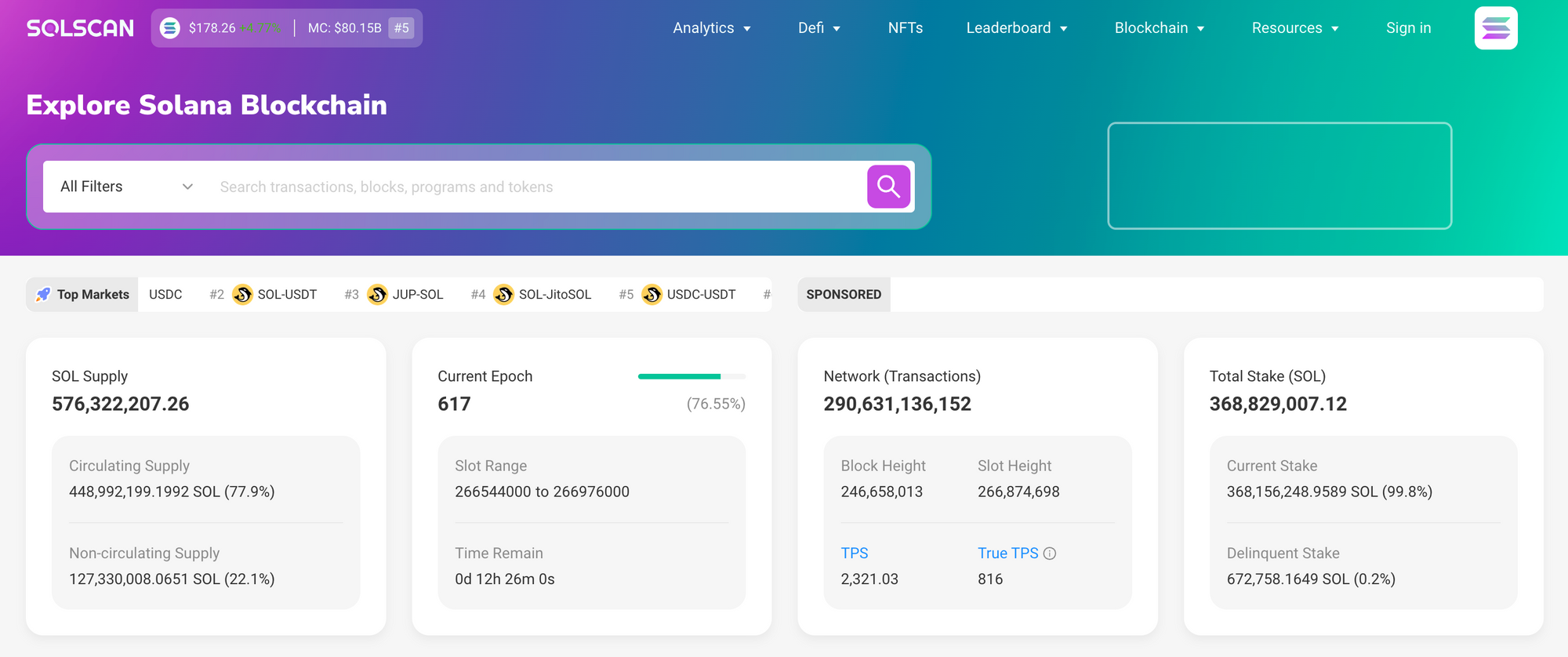
Screenshot-style mockup showing Solscan transaction view with decoded instructions and token flow

One more practical note

If you want a straight path to try it, the solscan explorer official site is a solid starting point. If you’re building on Solana, you care about block explorers like you care about debuggers. Initially I thought I could rely on any tool, but I learned that tooling differences cascade into slower dev cycles, and that can cost really expensive time. Seriously? Check this out—try tracing an SPL token mint across several txs; Solscan gives you the graph and the history without that janky back-and-forth. I’m not saying it’s the end-all, but for day-to-day ops it’s become my go-to dashboard.

Common questions

Really?

Is Solscan free to use?

Yes, basic features are free, though advanced analytics are sometimes gated or require on-site support for enterprise needs.

Can I trust its labels?

Labels are helpful, but treat them as signals not gospel; verify with on-chain data if the matter is security-sensitive.

Strategie avanzate per scommesse live e casinò live: jackpot e modalità demo con 2Nomadi

Strategie avanzate per scommesse live e casinò live: jackpot e modalità demo con 2Nomadi

Vuoi combinare l’adrenalina delle scommesse sportive in tempo reale con l’emozione dei giochi da casinò live? In questo articolo scoprirai, passo dopo passo, come scegliere il casino non AAMS più affidabile, attivare la modalità demo, sfruttare i jackpot live e utilizzare i bonus di benvenuto per massimizzare le tue vincite. Ti guideremo con consigli pratici, esempi concreti e avvertimenti utili, così potrai giocare in sicurezza e con la massima efficienza.

Getting Started – Cosa serve per giocare live e in demo

Prima di immergerti nel mondo delle scommesse live e dei casinò con jackpot, è fondamentale avere a disposizione gli strumenti giusti. Ecco cosa ti occorre:

  • Un dispositivo con connessione stabile: PC, tablet o smartphone. La latenza bassa è cruciale per le scommesse in tempo reale.
  • Un account verificato: molti operatori richiedono la verifica d’identità prima del primo prelievo.
  • Un metodo di pagamento affidabile: carte di credito, portafogli elettronici o criptovalute sono le opzioni più comuni.
  • Conoscenza delle regole: familiarizza con termini come RTP (ritorno al giocatore), wagering e volatilità.

Ma come trovare rapidamente un operatore che rispetti tutti questi requisiti? Invece di passare ore a confrontare singoli siti, casino non aams ti offre una panoramica completa delle migliori piattaforme con licenza estera, valutazioni dettagliate e confronti puntuali. La piattaforma 2Nomadi raccoglie recensioni casinò online, guide gambling e informazioni sui bonus di benvenuto, così da risparmiare tempo prezioso.

Nota: Prima di registrarti, controlla sempre che il casinò possieda una licenza valida (ad esempio Malta Gaming Authority o Curacao) e che offra un supporto clienti multilingua. Questo è il primo passo per giocare in maniera sicura.

Step 1 – Scegliere il casino non AAMS giusto

La scelta del casinò è il pilastro su cui costruire la tua esperienza di gioco. Ecco i criteri da valutare, spiegati in modo semplice:

  1. Licenza estera e reputazione – Un operatore con licenza di Curaçao o Malta è soggetto a controlli rigorosi. Leggi le recensioni su 2Nomadi per capire la solidità dell’azienda.
  2. Varietà di giochi live – Cerca piattaforme che offrano dealer dal vivo per roulette, blackjack e baccarat, oltre a slot con jackpot progressive.
  3. Bonus di benvenuto – Un’offerta generosa (ad esempio 100% fino a €500 + 50 giri gratuiti) può dare una spinta iniziale, ma verifica sempre i requisiti di wagering.
  4. Metodi di pagamento rapidi – I prelievi dovrebbero avvenire entro 24‑48 ore; le criptovalute spesso garantiscono tempi più brevi.
  5. App mobile e demo mode – La possibilità di provare i giochi in modalità demo è fondamentale per testare le strategie senza rischiare denaro reale.

Esempio pratico: Immagina di voler provare la slot “Mega Fortune” con jackpot progressive. Se scegli un casinò che offre una demo gratuita, potrai capire la volatilità del gioco prima di investire. Su 2Nomadi trovi schede dettagliate che indicano se la demo è disponibile.

Warning: Non tutti i bonus sono uguali; alcuni richiedono un wagering di 40‑50 volte l’importo del bonus, rendendo difficile il ritiro delle vincite. Leggi attentamente i termini prima di accettare.

Step 2 – Attivare la modalità demo e puntare sui jackpot live

Una volta selezionato il casinò, il passo successivo è sfruttare la modalità demo per testare le slot con jackpot live. Ecco come procedere:

  • Accedi alla sezione “Demo” del sito o dell’app. Molti operatori etichettano i giochi gratuiti con l’icona “Demo”.
  • Scegli una slot con jackpot progressive (ad esempio “Mega Moolah” o “Hall of Gods”). Queste slot offrono premi che possono superare i €1 milione.
  • Imposta una puntata fissa: nella demo, usa una puntata pari a €0,10‑€0,20 per simulare una sessione reale senza rischi.
  • Monitora il ritorno medio (RTP): le slot con RTP intorno al 96% sono più favorevoli nel lungo periodo.
  • Registra i risultati: annota quante volte la slot paga, la frequenza dei piccoli premi e la probabilità di attivare il jackpot.

Esempio di risultato: Dopo 500 giri in demo su “Mega Moolah”, hai ottenuto 10 vincite di €5 e un “mini‑jackpot” di €50. Questi dati ti indicano che il gioco ha una volatilità media, adatta a chi vuole bilanciare rischio e ricompensa.

Rhetorical Question: Ma cosa succederebbe se decidessi di puntare direttamente sul jackpot senza aver testato la volatilità? Potresti finire per perdere rapidamente il tuo bankroll.

Important: Utilizza la demo anche per familiarizzare con le funzioni “Auto‑Spin” e “Bet‑Increase”. Queste opzioni possono influenzare il ritmo di gioco e la gestione del bankroll.

Step 3 – Gestire le scommesse sportive live e i bonus di benvenuto

Le scommesse sportive live aggiungono un ulteriore livello di eccitazione. Per integrarle con il gioco da casinò, segui questi consigli:

  1. Identifica gli eventi con alta liquidità – Partite di calcio, tennis o basket con molte scommettitori offrono quote più stabili.
  2. Usa il cash‑out – Questa funzione ti permette di chiudere una scommessa prima della conclusione dell’evento, riducendo le perdite.
  3. Combina scommesse e giochi live – Dopo aver vinto una scommessa sportiva, utilizza il profitto per giocare a una slot con jackpot in modalità reale.
  4. Sfrutta i bonus di benvenuto sportivi – Alcuni casinò offrono bonus specifici per le scommesse sportive (es. “Bet €50, ricevi €20 free bet”). Verifica i requisiti di rollover.
  5. Gestisci il bankroll separatamente – Dedica una parte del tuo budget alle scommesse live e un’altra alle slot; così mantieni il controllo.

Bullet List – Regole d’oro per il bankroll:
– • Stabilisci un limite giornaliero per le scommesse live.
– • Non reinvestire le vincite in una sola puntata.
– • Imposta una soglia di perdita massima del 20 % del budget totale.
– • Usa i bonus solo per provare nuove strategie, non per coprire perdite.
– • Controlla regolarmente le statistiche delle scommesse per migliorare le previsioni.

Example: Marco ha un budget di €200. Decide di destinare €80 alle scommesse live su calcio, puntando €10 per partita con cash‑out attivo. Dopo due vittorie, usa €30 dei profitti per giocare 200 giri su “Hall of Gods” in modalità reale, puntando €0,15 per giro. Grazie alla gestione oculata, termina la serata con €250 di bankroll.

Advanced Tips – Strategie per massimizzare i jackpot e le scommesse live

Ora che hai le basi, è il momento di affinare la tua strategia. Ecco alcuni suggerimenti avanzati per ottenere il massimo sia dai jackpot live sia dalle scommesse sportive.

1. Sincronizza i momenti di alta volatilità

Le slot con jackpot progressive tendono a pagare più frequentemente durante i periodi di alta attività del server. Controlla gli orari di picco (di solito sera nei fusi orari europei) e pianifica le tue sessioni in quei momenti.

2. Utilizza le scommesse “hedging”

Se una scommessa sportiva è quasi certa, puoi piazzare una puntata opposta su un risultato alternativo per garantire un profitto minimo. Questo ti permette di proteggere il bankroll per le sessioni di slot.

3. Approfitta dei tornei di slot

Molti casinò non AAMS organizzano tornei con premi in denaro e jackpot extra. Partecipare a questi eventi può aumentare le tue possibilità di vincita senza aumentare la puntata media.

4. Monitora le promozioni temporanee

Le offerte di bonus di benvenuto o i “free spin” spesso cambiano settimanalmente. Iscriviti alla newsletter di 2Nomadi per ricevere aggiornamenti sui migliori casino non AAMS con promozioni attive.

5. Analizza le statistiche dei jackpot

Alcuni siti forniscono dati su quanto tempo è passato dall’ultimo jackpot pagato. Se il timer è alto, le probabilità di un nuovo jackpot aumentano. Usa queste informazioni per decidere quando aumentare la puntata.

Warning: Non lasciarti trasportare dall’entusiasmo dei jackpot. Ricorda che le slot progressive hanno una volatilità elevata: le grandi vincite sono rare, ma le perdite possono accumularsi rapidamente.

6. Gestione del tempo

Stabilisci sessioni di gioco limitate a 60‑90 minuti per evitare l’affaticamento decisionale, che può portare a scelte impulsive.

7. Verifica la compatibilità mobile

Giocare in modalità demo o live su smartphone ti permette di scommettere anche quando sei fuori casa. Assicurati che il casinò scelto abbia un’app ottimizzata, come quella offerta da 2Nomadi.

Rhetorical Question: Sei pronto a trasformare il semplice divertimento in una strategia di gioco profittevole? Con le giuste tecniche, la risposta è sì.

Con questi passaggi, avrai tutti gli strumenti per navigare con successo nel mondo delle scommesse live e dei jackpot nei casinò online. Ricorda di giocare sempre in modo responsabile, impostando limiti di deposito e tempo di gioco. Buona fortuna e divertiti con 2Nomadi!